Paddles
How Long Pickleball Paddles Really Last, and When to Replace Yours
Wondering how long do pickleball paddles last? Learn lifespan ranges, wear signs, care tips, and when a new paddle is worth it.
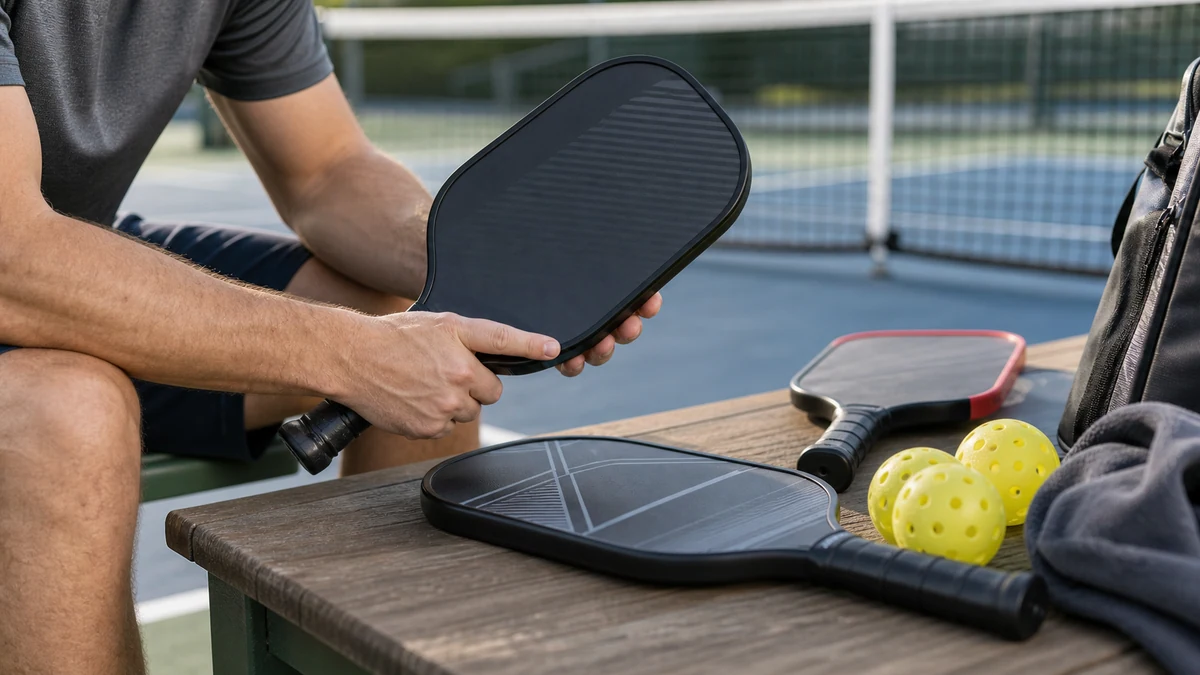
If you are wondering how long do pickleball paddles last, the honest answer is usually six months to three years, depending on how often you play, how hard you hit, and whether the paddle still feels consistent. A casual weekend player can often keep a paddle much longer than a tournament grinder who practices several days a week.
Think of paddle life less like an expiration date and more like a performance window. The frame may still look usable while the surface, core, grip, or edge guard has already started changing the way the paddle plays.
| What you see | Likely cause | First move |
|---|---|---|
| Shots feel flat or muted | Core fatigue or a deadened sweet spot | Compare it with a newer paddle for 10 minutes |
| Spin is harder to create | Surface texture has worn smooth | Clean the face, then test topspin and slice again |
| Ball jumps unpredictably | Delamination, loose edge, or core damage | Stop using it in competitive play until checked |
| Grip twists in your hand | Worn grip or handle wrap | Replace the grip before replacing the whole paddle |
| Edge guard is chipped | Normal court contact or bag wear | Inspect for cracks before assuming it is finished |
How long do pickleball paddles last for most players?
Most recreational players should expect a decent paddle to last about one to three years if they play once or twice a week. Players who drill often, hit hard, play outdoors in heat, or enter tournaments may notice performance drop-off closer to six to twelve months.
Price helps, but it does not make a paddle immortal. A better paddle can use stronger materials and tighter construction, yet the face still wears, the core still takes impact, and the grip still absorbs sweat.
The signs that matter more than age
Calendar age is only a rough clue. A one-year-old paddle that gets played five days a week may be more worn than a three-year-old paddle that comes out twice a month.
Start with sound. Tap the face lightly with a ball and compare the middle, edges, and upper corners. A dull patch, rattle, or hollow sound can point to a core or edge problem.
Next, check control. If drops pop up, blocks rebound too hot, or drives suddenly sail long with the same swing, the paddle may no longer be responding evenly. Before blaming the paddle, give yourself one normal practice session with a clean face and a fresh grip.
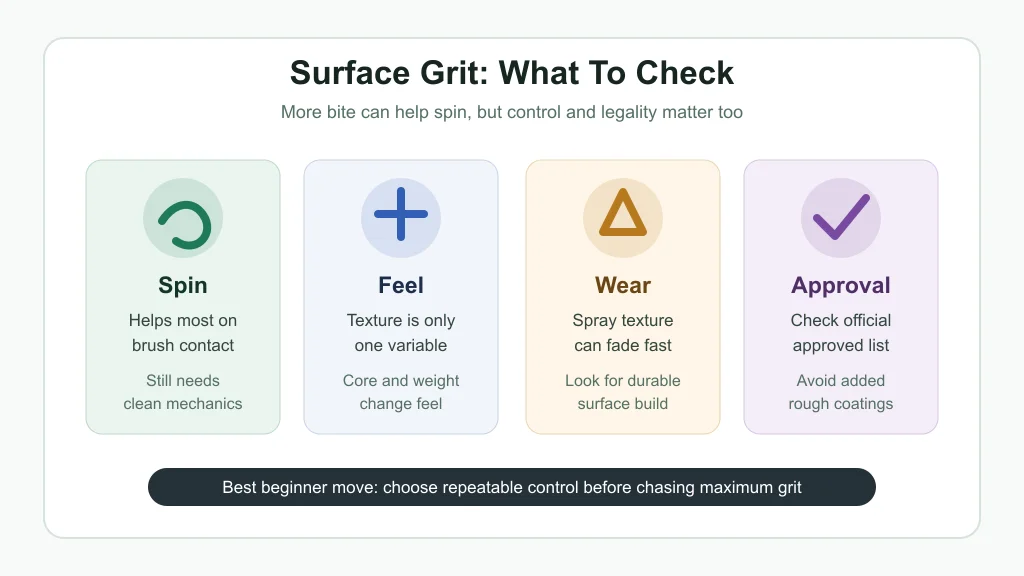
Spin loss is the sneaky one. If you depend on topspin, slice, or shape on serves, surface wear can show up before the paddle looks bad. For a deeper look at that issue, read our guide to pickleball paddle surface grit.
What wears out first?
Grip is the easiest fix. If the handle feels slick, narrow, or unstable, try a new grip or overgrip before spending money on another paddle. Our grip size guide can help if the handle has never felt right.
Surface wear comes next for many players. Raw carbon, graphite, fiberglass, and hybrid faces all lose texture differently, so the real question is whether your shots still react the way you expect. If you are also comparing materials, the graphite vs fiberglass paddle guide explains the feel differences.
Core and edge problems are more serious. A cracked edge guard, loose rattle, swollen face, or suddenly springy spot can mean the paddle has moved beyond routine maintenance.
How your playing style changes paddle life
Hard drives, frequent resets, and off-center mishits all add stress. Power players tend to notice core fatigue sooner, while control players may notice surface wear or touch changes first.
Weight matters too. A heavier paddle can feel solid but may encourage harder swings, while a lighter paddle may get knocked around more on blocks. If you are unsure where you fit, compare our lightweight vs heavyweight paddle guide and the beginner-focused paddle weight guide.
Shape also changes wear patterns. Elongated paddles give you more reach but can invite more tip contact with the court, while widebody paddles often feel more forgiving around the center. See the paddle shape guide or our elongated vs standard paddle comparison if you are choosing a replacement.
Maintenance that can stretch useful life
Clean the paddle face with a damp microfiber cloth after dusty outdoor sessions. Avoid harsh solvents unless the manufacturer specifically allows them, because aggressive cleaning can damage texture or finish.
Keep the paddle out of hot cars, wet bags, and direct sun when you are not playing. Heat and moisture are rough on adhesives, edge guards, and grips.
Store it in a cover if you carry it with balls, shoes, keys, or water bottles. A small cover is cheaper than replacing a paddle early because the edge guard got chewed up in your bag.
When replacement is worth the money
Replace the paddle when the performance change is repeatable, not just annoying. Two strong signs together, such as dead feel plus spin loss, or a rattle plus unpredictable rebounds, make the decision easier.
Budget matters. If your old paddle is entry-level and you play often now, a move to a better beginner paddle may help more than squeezing another season out of worn gear. Start with our best paddle under 100 guide or the power beginner paddle guide.
Beginners should be especially careful here. A worn paddle can teach bad timing because the ball does not leave the face consistently. If you are still building basics, pair a reliable paddle with steady practice, such as home pickleball drills or our court-ready beginner drill plan.
Common mistakes that shorten paddle life
Scraping low balls off gritty courts is the big one. Better footwork and earlier preparation protect both your paddle and your shots, which is why warmups and beginner mechanics matter. Start with pickleball warm up exercises and our guide to common beginner mistakes.
Using indoor balls outdoors can also create odd bounce and contact feedback, making it harder to tell whether the paddle is the problem. Our indoor vs outdoor pickleball balls guide explains the difference.
Bad shoes can add extra lunging and scraping, especially on quick kitchen exchanges. If your feet slide or stick, read pickleball court shoes vs tennis shoes before blaming every mishit on the paddle.
Quick Checklist
- Clean the paddle face and retest spin before judging surface wear.
- Replace the grip or overgrip if the handle slips or twists.
- Listen for rattles, hollow sounds, or a dead patch near the sweet spot.
- Check the edge guard for separation, cracks, or sharp exposed areas.
- Compare the paddle with a newer one using the same ball and drill.
- Replace it if control, sound, and surface feel have all changed.
- Keep the old paddle as a loaner only if it still plays predictably.
Related guides for choosing and playing better
If a replacement is on your mind, start with how to choose pickleball paddle weight. Then use the paddle guides above to narrow material, shape, and price.
- The double bounce rule in pickleball helps new players understand why early rallies feel different from tennis.
- How to serve in pickleball for beginners is useful when you are testing paddle control from the baseline.
- Pickleball serving rules 2026 covers the rule details recreational players commonly check.
- Pickleball scoring rules for beginners keeps game flow from getting in the way of gear testing.
Bottom line
A pickleball paddle is done when it stops giving you a predictable response. Cosmetic chips, faded graphics, and a dirty grip are not automatic deal breakers, but dead spots, rattles, spin loss, and unstable control are worth taking seriously.
Use the six-month to three-year range as a starting point, then let your actual play decide. If the paddle still sounds solid, grips securely, and sends the ball where your swing says it should, you probably do not need to replace it yet.
Frequently Asked Questions
how often should you replace a pickleball paddle?
Replace it when performance drops, not on a fixed schedule. Frequent players may need a new paddle every six to twelve months, while casual players may get one to three years from a good paddle.
do pickleball paddles wear out?
Yes. The face can lose texture, the core can soften or delaminate, the edge guard can loosen, and the grip can wear down. Some problems are fixable, but core damage usually means replacement.
how do i know if my pickleball paddle is dead?
Look for a dull sound, weak rebound, rattle, sudden control problems, or a face that feels uneven from one spot to another. Compare it with a newer paddle if you are unsure.
can you repair a pickleball paddle?
You can replace grips and sometimes manage minor edge wear, but cracked faces, dead cores, delamination, or major structural damage are not practical repairs for most players.
does an expensive pickleball paddle last longer?
Sometimes, but not always. Better construction can help, yet heavy use still wears the face, core, and grip. Fit, care, and playing frequency matter as much as price.
Official sources: USA Pickleball equipment standards · USA Pickleball rulebook.